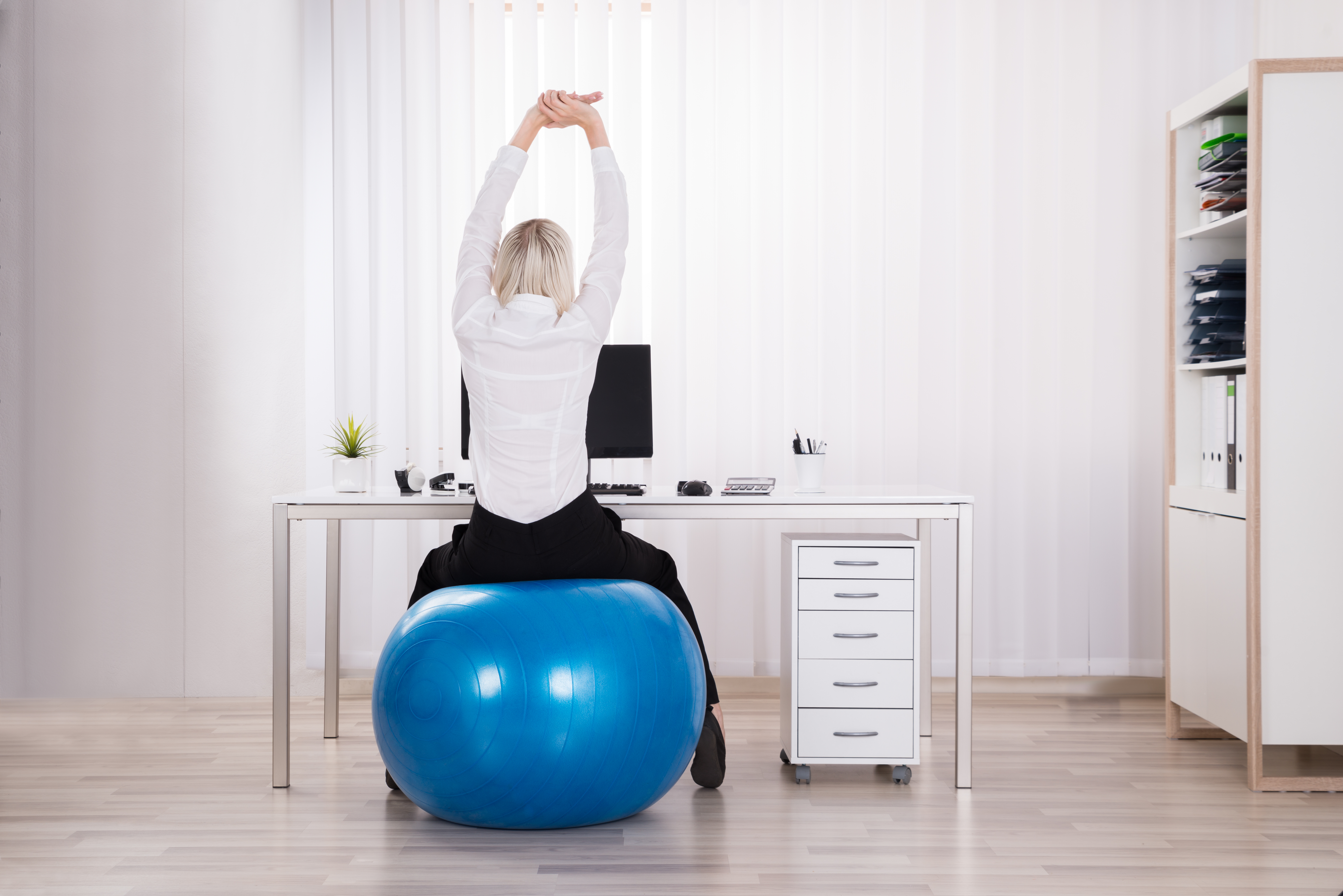
With more people working from home than ever before, the Pinnacle Physiotherapy team is seeing a rise in patients presenting with neck, upper back, and shoulder pain linked directly to poor desk setup and posture. The good news is that most of these issues are entirely preventable.
Why sitting is harder on your body than you think
Sitting for prolonged periods places significant compressive load on the lumbar discs — far more than standing or walking. When we slouch or crane our necks toward a screen, those forces increase dramatically. Over weeks and months, this can lead to muscle imbalances, joint stiffness, and chronic pain.
Setting up your workstation correctly
- Monitor height: The top of your screen should sit at or just below eye level, roughly an arm's length away. Looking down at a laptop for hours is one of the most common causes of neck strain we treat.
- Chair height: Adjust so your feet are flat on the floor and your knees are at roughly 90 degrees. Your hips should be slightly higher than your knees.
- Lumbar support: Your chair should support the natural inward curve of your lower back. A small rolled towel or lumbar cushion works well if your chair lacks built-in support.
- Keyboard and mouse: Keep them close enough that your elbows rest near your sides at roughly 90 degrees. Reaching forward repeatedly strains the shoulders and wrists.
The 30/30 rule
One of the simplest habits our physiotherapists recommend is to break up every 30 minutes of sitting with at least 30 seconds of movement. Stand up, roll your shoulders back, take a short walk to the kitchen — anything to interrupt the sustained load on your spine. Setting a timer on your phone is a surprisingly effective way to build this habit.
"Posture isn't just about awareness — it's about capacity. The deep stabilising muscles of the neck and spine need adequate strength and endurance to maintain good alignment throughout a long workday."
Strengthening the right muscles
Posture isn't just about awareness — it's about capacity. The deep cervical flexors (the small muscles at the front of the neck), the lower trapezius, and the deep lumbar stabilisers all need adequate strength and endurance to maintain good alignment throughout a long workday. A physiotherapist can assess which muscles are underperforming and prescribe a targeted program.
If you're experiencing persistent neck, shoulder, or back pain related to desk work, the team at Pinnacle Physiotherapy can help. We offer thorough assessments and practical, evidence-based treatment at our Windsor, LaSalle, and Lakeshore locations — no referral required.